

Find your beauty sleep this holiday season
Key points to remember
The festive season is synonymous with joy and sharing, but it often upsets our sleeping habits. Here's what you need to know to stay well-rested during the holiday season:
- The changes in routine during the holidays can easily disrupt your sleep, with evenings stretching late into the night.
- Lack of sleep directly affects your mood, energy and immune system.
- Maintaining a stable bedtime routine, even on vacation, helps preserve your biological rhythm.
- Heavy meals and alcohol consumption can affect the quality of your night's rest.
- Simple gestures such as light physical activity and relaxation techniques can considerably improve your sleep.
- Limiting screen time before bedtime encourages the natural production of melatonin, the sleep hormone.
The holiday season brings its share of precious family moments, festive meals and memorable celebrations. But with dinners stretching into the wee hours and schedules turned upside down, our sleep often takes its toll.
Yet getting a good night's sleep during the holidays is not an impossible mission. With a few simple adjustments to your routine and a balanced approach, you can preserve your restful sleep while enjoying every moment of the celebrations. Here's how to combine holiday fun with restful nights.
The effects of sleep deprivation on holiday health
When the evenings get longer and the alarm clock goes off at the usual time, your body quickly accumulates a sleep debt. It's not just a question of temporary fatigue: lack of sleep during the holidays has real repercussions on your physical and mental health.
Your mood becomes more fragile, your patience wears thin, and those little annoyances that normally leave you indifferent suddenly become irritating. Without sufficient rest, your body and mind work in slow motion, which can spoil moments that should be enjoyable. Let's take a closer look at how sleep deprivation affects your well-being during this festive period.
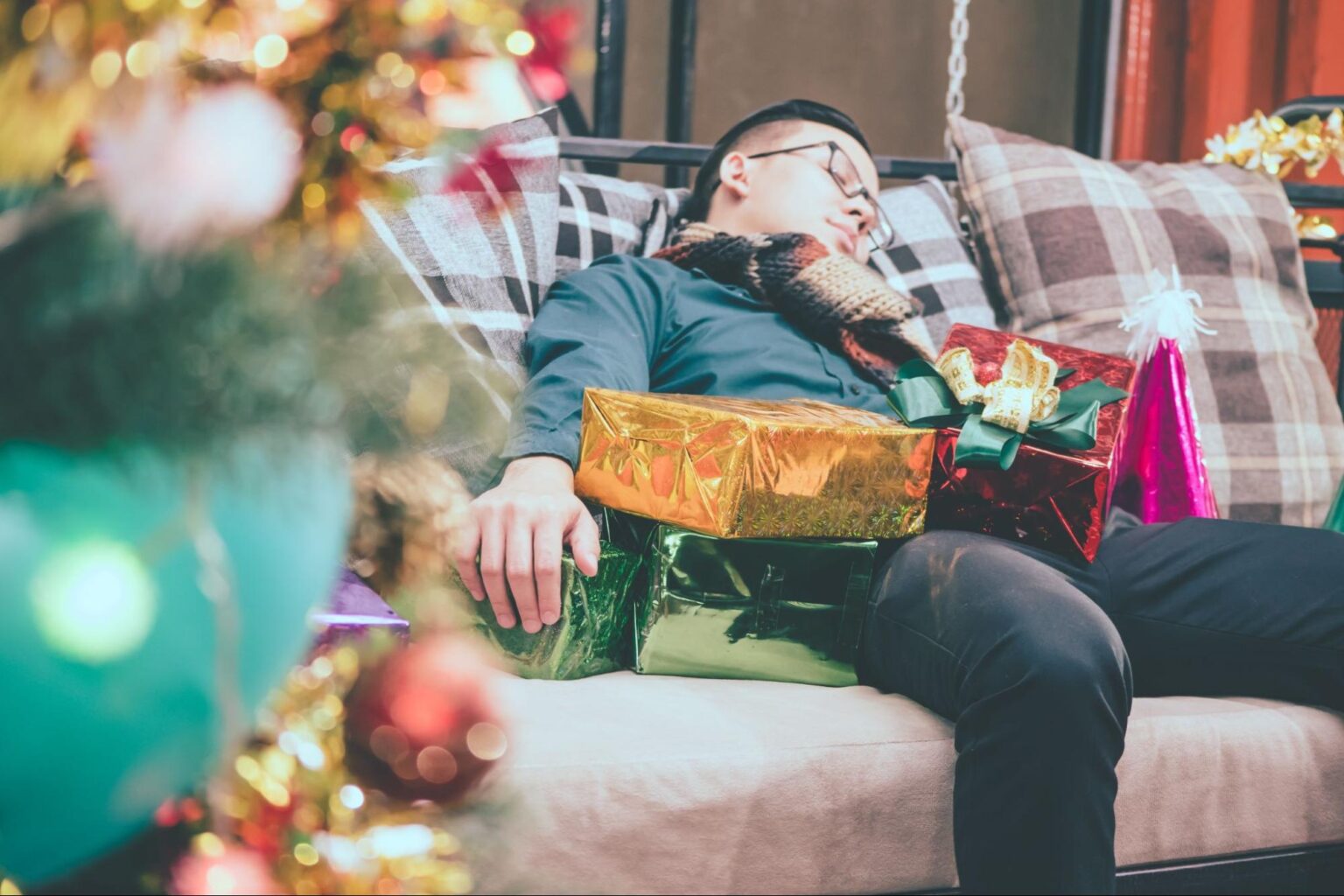
Fatigue, moodiness and low energy after celebrations
After a few days of festivities and little sleep, fatigue sets in. It's not just your body that's lagging behind - your mood suffers too. You find yourself more easily irritated, less patient with the children or in-laws, and those exchanges that should be light become tense at times.
This drop in energy prevents you from being fully present. Instead of enjoying family time, you fight the urge to close your eyes, unable to concentrate on the conversation. Sleep plays a crucial role in regulating our emotions, and when it's missing, negative thoughts easily take over.
To counter these effects, here are some effective strategies:
- Allow yourself short naps of 20 to 30 minutes in the early afternoon to make up for lost sleep without affecting your ability to fall asleep in the evening.
- Hydrate regularly throughout the day to maintain your energy levels.
- Choose nutritious foods that provide stable, long-lasting energy rather than quick sugars.
- Maintain a balance between sleep and diet to preserve your vitality throughout the holiday season.
By taking care of your rest and nutrition, you're giving yourself the means to fully enjoy the celebrations with your loved ones.
Vulnerability to stress and weakening of the immune system
Sleep deprivation and stress form a vicious circle. When you don't get enough sleep, your body produces more cortisol, the stress hormone. This makes you more sensitive to the unexpected events that are typical of the holiday season: last-minute preparations, family discussions that get out of hand, or simply the pressure of wanting everything to be perfect. A good night's rest is your best ally in managing these situations calmly.
But that's not all. Your immune system also takes a hit. During sleep, your body produces cytokines, the essential proteins that fight infection and inflammation. Without sufficient rest, your body struggles to defend itself against the winter viruses that circulate during this period.
Getting sick over the holidays? Nobody wants to! By making sleep a priority, you protect not only your morale, but also your natural defenses. According to the Public Health Agency of Canada, a third of Canadian adults don't get enough sleep, which directly affects their mental health and resistance to stress. It's your best insurance for staying in shape and making the most of this special time with your loved ones.
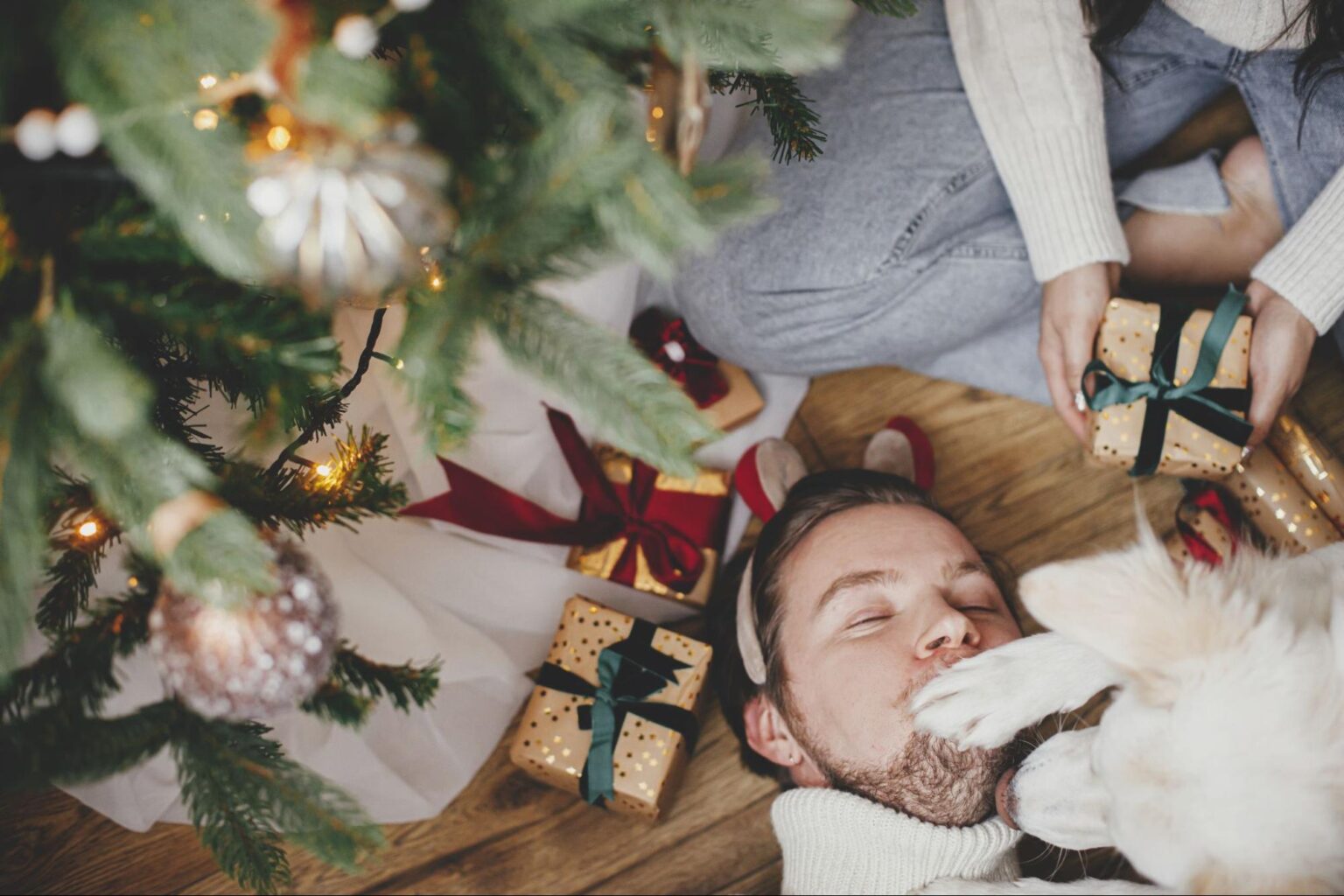
Going to bed late and getting up at irregular hours during the holidays may seem harmless, but it throws your biological clock out of whack. This internal clock regulates your sleep-wake cycle and works best with a stable routine. Frequent schedule changes disrupt this delicate mechanism, which can lead to persistent sleep problems even after the holidays.
The consequences go beyond simply having trouble falling asleep. You feel tired all the time, you get tired in the middle of the day, and your concentration takes a hit. Once the celebrations are over, getting back into a normal rhythm becomes a real challenge, as your biological clock remains out of sync.
The following table illustrates how different factors disrupt your rhythm and the effects you feel:
| Disruptive factor | Effect on biological clock | Perceived effect |
| Frequent late bedtime | Delays the signal to fall asleep | Difficulty falling asleep at the usual time |
| Excessive sleepiness | Shifts the waking cycle | Sensation of "social jet lag", fatigue on waking |
| Exposure to light in the evening | Blocks melatonin production | Delayed sleep onset, shallower sleep |
The best strategies for restful sleep over the holidays
Good news: you don't have to choose between enjoying the holidays and getting a good night's sleep. With a few simple adjustments to your routine, you can maintain good sleep habits while taking part in the festivities. The goal is to find a balance that allows you to celebrate without exhausting your body.
Adopting a soothing evening ritual, creating a space conducive to rest and watching your diet: these concrete strategies will help you preserve the quality of your sleep. Let's explore these effective tips for keeping your restful sleep intact during this intense period.
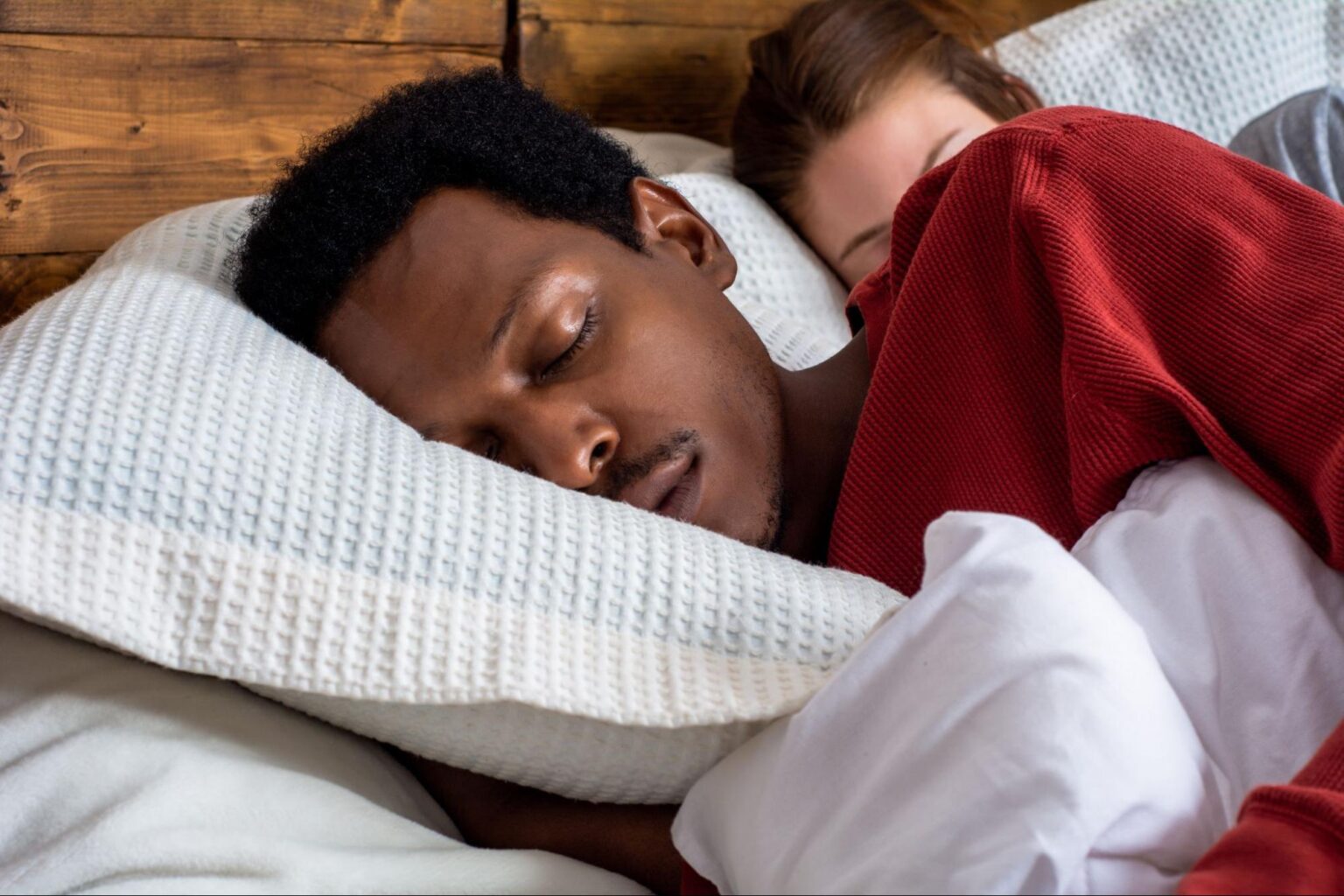
Establish a bedtime routine even during vacations
Regularity remains your best ally for quality sleep. Even on vacation, try to go to bed and get up at similar times every day. This consistency helps your biological clock to work efficiently and makes it easier to fall asleep.
Of course, some flexibility is required during the holiday season. If you're having a long evening, there's no need to panic. The important thing is to avoid too many deviations. Try to keep your bedtime and wake-up times within an hour or two of your usual routine. This will make it much easier to get back to normal once the celebrations are over.
Creating an evening ritual signals to your brain that it's time to slow down. Take a hot shower, read a few pages of a good book, or enjoy a relaxing herbal tea. These simple gestures prepare your body and mind for rest. By following this kind of routine, falling asleep becomes more natural and your nights more peaceful.
Creating an environment conducive to sleep despite the festive context
Whether you're having visitors or sleeping elsewhere, your sleeping environment counts for a lot. A quiet, dark and cool bedroom helps you fall asleep quickly and get a good night's rest. Even if your home is full of life, a few simple gestures can considerably improve the quality of your sleep.
When traveling, take along familiar objects that reassure you. Your favorite pillow or a soft blanket can make all the difference in an unfamiliar bed. If light or noise bother you, there are solutions to create your own bubble of tranquility.
Here are some practical tips to optimize your sleeping conditions:
- Use a night mask and earplugs to block out light and sound distractions.
- Keep bedroom temperature around 18-19°C to promote deep sleep.
Keep electronic devices away from your bedside table - blue light interferes with melatonin production.
Intelligent management of food and alcohol consumption
Delicious holiday meals and restful sleep can coexist, provided you make a few informed choices. Eating a hearty meal late in the evening complicates digestion and disrupts your rest. Your stomach works while your body should be regenerating, fragmenting your sleep. This is why an adjustable bed is so useful in combating indigestion.
Moderation with alcohol is particularly important. Even if a glass helps you relax in the moment, alcohol fragments your sleep and reduces its quality. To enjoy the evening without compromising your night's sleep, alternate each alcoholic drink with a large glass of water. This habit limits your consumption while keeping you well hydrated.
Think about when you last drank alcohol. Ideally, stop drinking two to three hours before bedtime to give your body time to metabolize the alcohol. This simple adjustment will significantly improve the quality of your sleep and the way you feel when you wake up, without having to give up your festive pleasures.
Practical advice to reconcile festive evenings and a good night's sleep
Balancing late-night celebrations and restful sleep requires a few practical strategies. Fortunately, there are some simple habits you can adopt to make the most of the festive season, while taking care of your rest. These tips go beyond food to include physical activity and relaxation.
Even if your schedule is hectic, incorporating these practices - even if only for a few minutes a day - makes a noticeable difference to the quality of your sleep. Here's how to do it without superhuman effort.
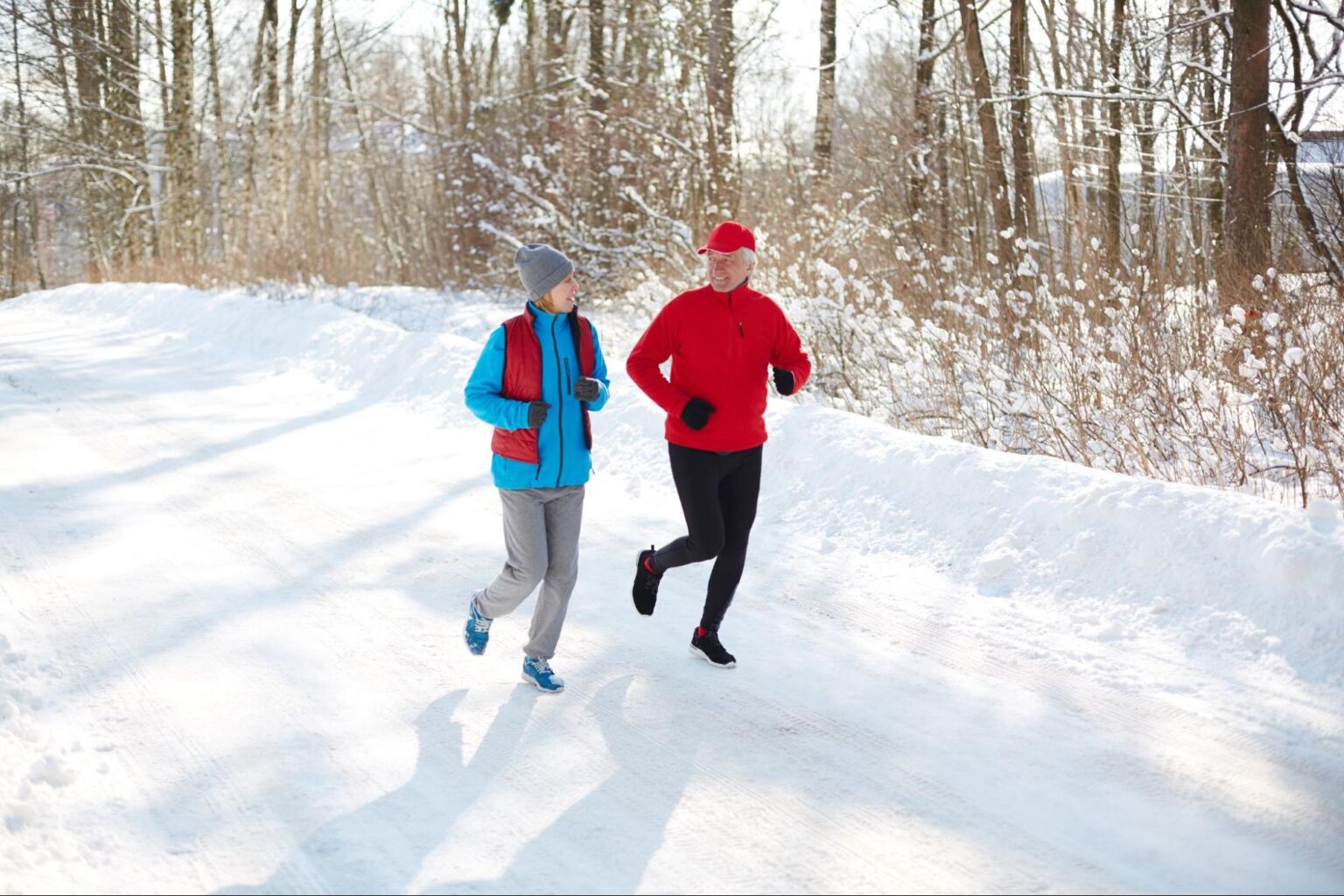
Gentle physical activity during the holiday season
Exercising during the day directly improves your sleep at night. Exercise helps regulate your internal clock, expends your energy and makes it easier to fall asleep in the evening. Physical activity also reduces stress and boosts your mood, two essential factors for deep, restful sleep.
No need for intensive training. Light activities work just as well. During the holidays, enjoy a family walk in the snowy neighborhood, go skating in the park, or play outside with the kids. The important thing is to get moving and active.
Exercise during the day, ideally in natural light, reinforces your biological rhythm. On the other hand, avoid vigorous activity just before bedtime - it can energize you and delay sleep. A little daily exercise is an excellent investment in your sleep and general well-being.
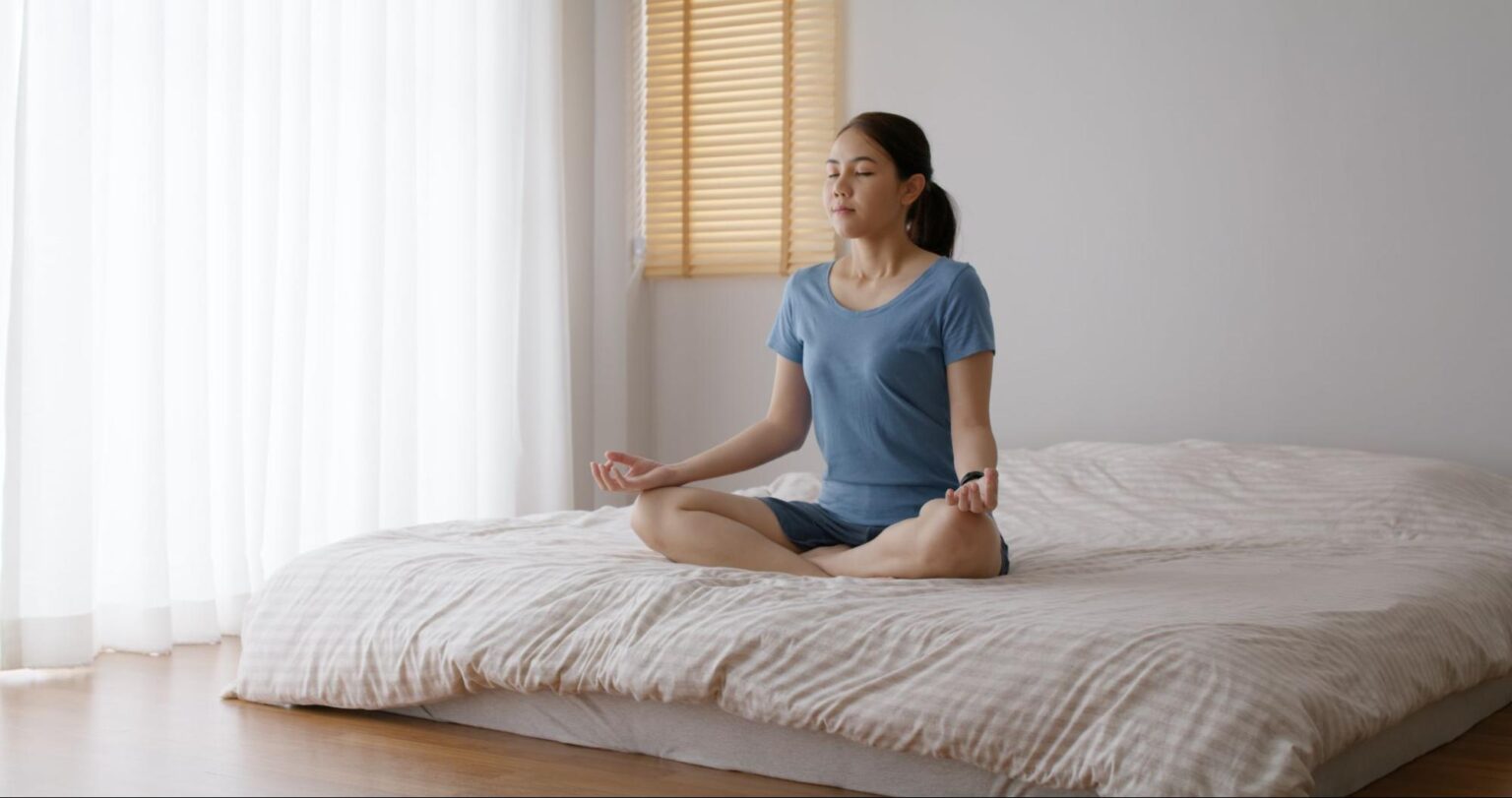
Simple pre-bedtime relaxation techniques
After an emotionally and socially charged day, your mind needs to decompress before bedtime. Family stress or the excitement of preparations can keep you awake and restless. Incorporating relaxation techniques into your evening ritual calms your mind and naturally prepares your body for sleep.
These methods reduce stress, slow your heart rate and signal to your body that it's time to rest. Even just a few minutes can have a real impact on your quality of sleep. In fact, Laval University's Centre d'étude des troubles du sommeil recommends these non-drug approaches to improving sleep naturally.
Here are a few simple techniques to try:
- Deep breathing: Inhale slowly through your nose to the count of 4, hold your breath to the count of 7, then exhale gently through your mouth to the count of 8. Repeat this cycle several times to calm your nervous system.
- Guided meditation: Use an app or YouTube video to guide you into a state of mental calm. Ideal for releasing tension accumulated during the day.
- Quiet reading: Opt for a soothing book rather than a thrilling thriller. Let your mind drift away from everyday concerns.
Preserve your well-being over the holidays
The festive season deserves to be enjoyed to the full, without fatigue tarnishing these precious moments. By maintaining a stable sleep routine, creating an environment conducive to rest and monitoring your diet, you can protect your energy and mood throughout this intense period.
Don't wait any longer to put these tips into practice! If you'd like to learn more about the importance of sleep or get personalized recommendations to improve your rest, contact us for a free consultation with one of our experts. At Dr du Matelas, we understand that comfort starts with quality sleep - and we're here to help.
FAQ
How to avoid post-holiday fatigue?
Maintain a regular sleep routine during the celebrations, limiting time gaps to one or two hours. Take 20-30 minute naps in the afternoon, keep well hydrated and eat nutritious foods to maintain your energy.
Why does alcohol disrupt sleep during the holidays?
Alcohol fragments sleep and disrupts the deep sleep cycles needed for recovery. Alternate each glass with water and stop drinking two to three hours before bedtime to minimize the negative effects.
What's the ideal temperature for a good night's sleep in winter?
The optimum temperature is between 18 and 19°C. This cooler temperature helps you to fall asleep naturally. If you're cold, add blankets rather than turning up the heat, as a too-warm environment is detrimental to deep sleep.
Are naps beneficial during the holidays?
Yes, naps of 20 to 30 minutes in the early afternoon help compensate for sleep deprivation. Avoid naps that are too long or after 3 p.m., as they may disrupt your ability to fall asleep at night.
How do you get back to a good sleep routine after the holidays?
Gradually return to your normal schedule in 15-30 minute increments each day. Expose yourself to natural light in the morning, avoid prolonged sleeping in and maintain a soothing ritual before bedtime.