

How an adjustable bed relieves obstructive sleep apnea
Obstructive sleep apnea affects thousands of Quebecers every night. This breathing disorder is characterized by repeated pauses in breathing caused by a relaxation of the throat muscles that block the airway. These interruptions last between 10 and 30 seconds and occur at least five times per hour of sleep. In severe cases, they can occur several hundred times per night, depriving your body of oxygen and fragmenting your sleep.
The consequences go beyond simple fatigue. Apnea causes micro-awakenings that you are unaware of, preventing you from reaching the deep rest phases essential for recovery. Your concentration declines, your memory falters, and your mood becomes irritable. In the long term, untreated apnea increases the risk of high blood pressure, stroke, cardiac arrhythmias, and type 2 diabetes.
The Key Role of Sleeping Position in Obstructive Sleep Apnea
Your sleeping position directly influences the severity of your apnea. Lying flat on your back, gravity forces your tongue and the soft tissues of your throat backward. This narrows your airway, worsening the obstruction. The muscles of your pharynx, already relaxed during sleep, collapse further, causing intense snoring and pauses in breathing.
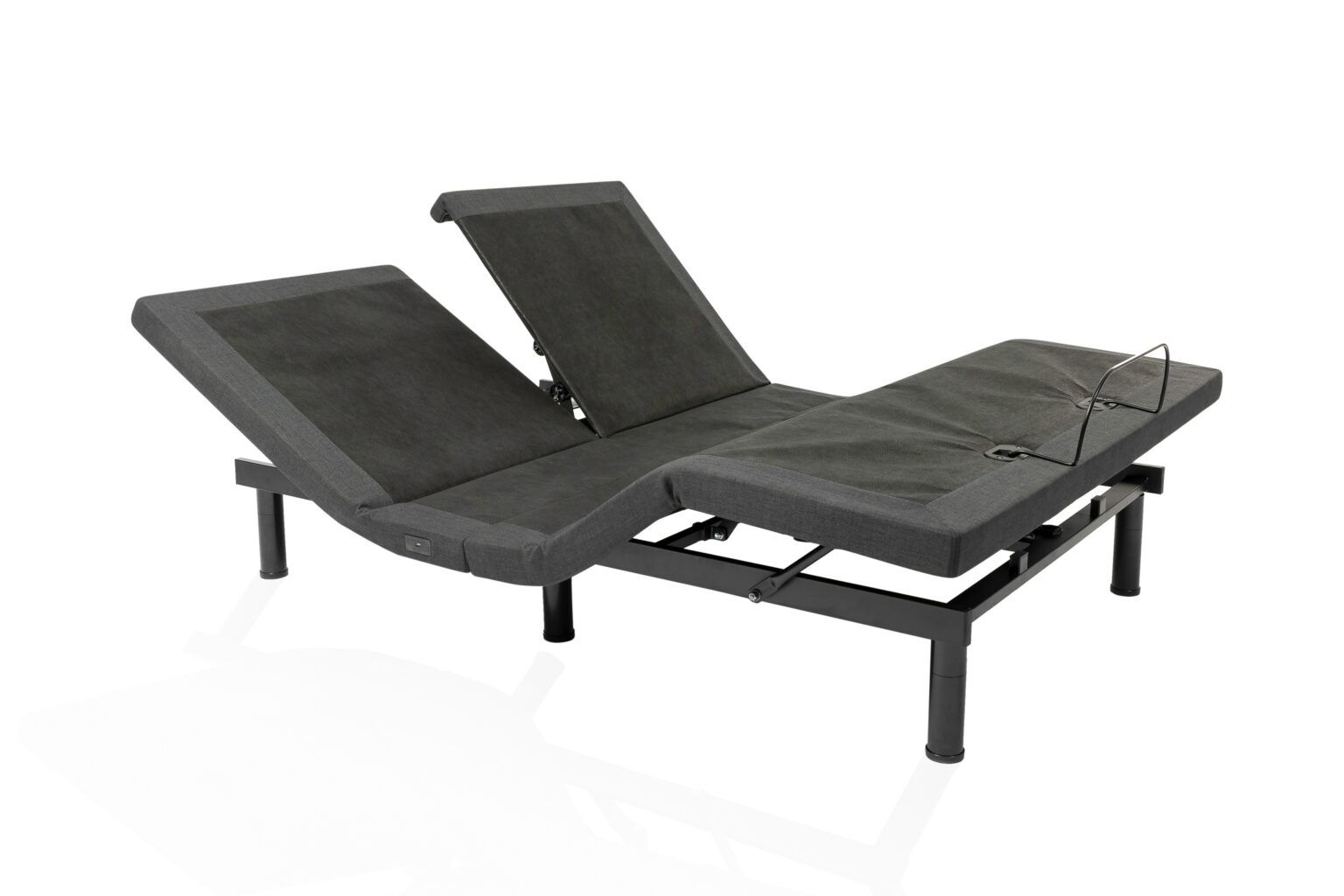
An adjustable bed counteracts precisely this mechanism. By slightly raising your upper body, you alter the action of gravity on your airways. This moderate elevation helps keep your airways open. Your tongue naturally remains in a forward position, your soft palate exerts less pressure, and air flows more freely into your lungs.
Specific Benefits of an Adjustable Bed for Sleep Apnea
Reduction of Respiratory Events The main advantage lies in the decrease in the number of apneas and hypopneas per hour of sleep. By keeping your upper airways clearer, elevation reduces the frequency of complete and partial obstructions. You breathe more regularly, experience fewer micro-awakenings, and enjoy deeper and more restorative sleep.
Reduction of Snoring Intense snoring is often the first warning sign of obstructive sleep apnea. It results from vibrations caused by air passing through narrowed airways. By raising your head and shoulders, the adjustable bed naturally widens your pharynx, reducing air turbulence and, consequently, snoring noise.
Improvement of Nocturnal Oxygenation Each apnea causes a temporary drop in the oxygen level in your blood. These repeated drops force your heart to work harder. By reducing the frequency of apneas, the inclined position helps maintain more stable blood oxygenation, reducing the stress placed on your cardiovascular system.
CPAP Device Compatibility If you use a continuous positive airway pressure device, the adjustable bed significantly facilitates your treatment. The elevated position keeps your mask better positioned, reduces air leaks, and improves your overall comfort. You tolerate your device better in the long term.
Reduction of Gastroesophageal Reflux Sleep apnea is often accompanied by acid reflux. Elevating the upper part of the body prevents stomach acids from rising into your esophagus, reducing heartburn that disrupts your sleep and can worsen irritation of your airways.

Choosing the Right Mattress for Your Adjustable Bed
The effectiveness of your adjustable bed depends on the compatibility of your mattress. Memory foam mattresses are an excellent choice. Their natural flexibility allows them to adapt to different incline angles without losing shape, while conforming to the contours of your body.
Les matelas en latex naturel constituent une autre option de qualité supérieure. Le latex combine souplesse et soutien ferme, parfaitement compatible avec les bases ajustables. Ce matériau présente également des propriétés hypoallergènes précieuses si vous souffrez d'allergies qui aggravent votre apnée. Évitez les matelas à ressorts traditionnels qui ne sont pas conçus pour se plier.
L'importance d'un accompagnement professionnel
Diagnostic médical essentiel
- Obstructive sleep apnea requires a proper diagnosis by your doctor.
- A sleep study can assess the severity of your condition.
- The adjustable bed complements prescribed treatments (CPAP, prostheses) without replacing them.
Expertise in therapeutic bedding
- Specialists assess your needs based on the severity of your apnea
- They recommend the optimal mattress type for your body shape
- You benefit from tailor-made solutions adapted to your medical situation
Invest in your cardiovascular health
Obstructive sleep apnea is a major risk factor for your cardiovascular health. Each night of poorly controlled apnea puts excessive stress on your heart and accelerates the aging of your cardiovascular system. Restful sleep influences your energy levels, mood, immune system, and longevity.
The cost of an adjustable bed and a quality mattress should be considered an investment in preventive health. The benefits—better sleep quality, reduced daytime symptoms, improved cardiovascular health—represent invaluable returns.
Rediscover restful nights
You deserve to wake up feeling rested and refreshed. If obstructive sleep apnea is compromising your quality of life, an adjustable bed combined with the right mattress can transform your nights. Quebec's bedding specialists understand your challenges and can help you choose a customized solution.

Don't wait any longer to take charge of your nighttime health. Contact a specialized manufacturer of therapeutic bedding today to discuss your situation. Your cardiovascular health and well-being are worth this investment.
Frequently Asked Questions
1. Can an adjustable bed replace my CPAP machine?
No, an adjustable bed never replaces prescribed medical treatment such as a CPAP machine. It is a therapeutic adjunct that improves your comfort and can enhance the effectiveness of your primary treatment. Always consult your doctor before changing your sleep apnea treatment.
2. Can I use my current mattress on an adjustable base?
It depends on your current mattress. Memory foam and latex mattresses generally fit well on adjustable bases. Traditional spring mattresses are not suitable because they don't flex properly. Check the flexibility of your mattress or consult a specialist.
3. Is sleeping on your side with an adjustable bed possible?
Absolutely. Adjustable beds allow you to sleep comfortably on your side, a position often recommended for sleep apnea. The slight incline of the bed keeps your airway open even in the side position. This gives you the benefits of elevation combined with the optimal side position.
4. What is the average lifespan of a quality adjustable bed?
A quality adjustable bed made in Quebec can last between fifteen and twenty years with proper maintenance. The electric motors are generally guaranteed for several years. Choosing a local manufacturer that offers solid warranties ensures the longevity of your investment and the availability of replacement parts.
5. Can my partner sleep flat while I use the incline?
Yes, with a dual adjustable bed with separate controls. Each partner independently controls their side of the bed. If you suffer from sleep apnea and your partner prefers to sleep flat, this setup allows each person to enjoy their ideal positionwithout compromising the other's comfort.